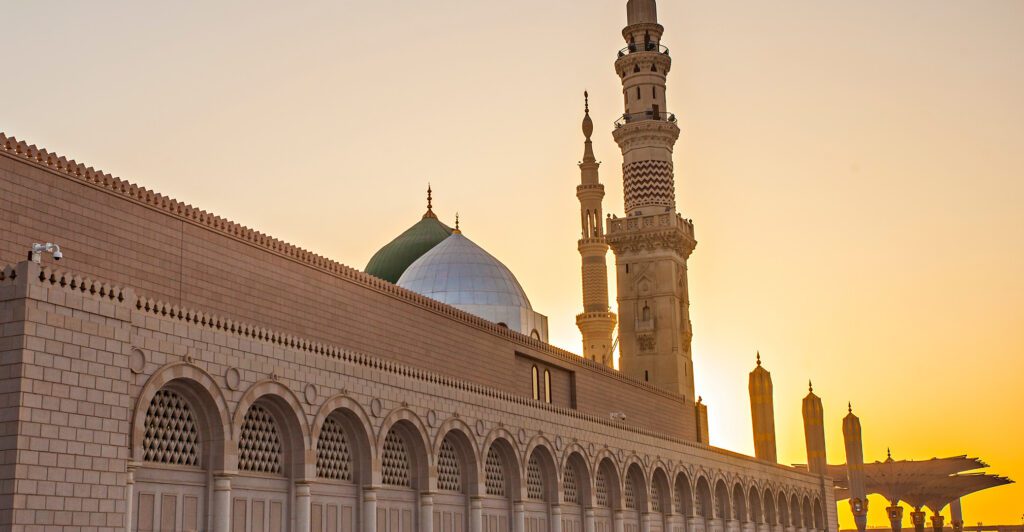
Research Articles
- All
- Political Theory
- Geopolitics and International Relations
- Society and Civilization
- Islamic Norms
The Ummetiks Institute publishes original research articles on various issues of the Ummah for scholars, students and anyone interested.
These articles include academic and general discourses on the thought and practice of the Ummah. to develop, enrich and these discourses to contribute It deals with social, political, economic, religious and historical issues that concern the life and future of the Muslim Ummah.
Telafisi Olmayan Başarısızlık: Modern Ulus-Devletin Ümmet Birliğini Geçersiz Kılan Bir Unsur Olarak Rolü
Seküler Entegrasyon Modelleri ve Küresel Yönetim Şemaları: Ümmet Entegrasyonu İçin Dersler
Our approach to political theory centers on the concept of ummah in examining the descriptive/empirical questions of political science and the normative/value-based questions of political philosophy.
Political theory based on the thought of the Ummah covers broad topics such as religious politics (siyasa shar'iyya), the establishment of religion (iqamat al-din), and the nature of the Qur'anic mission, as well as issues such as human rights, social existence, and collective action. All these topics are discussed and evaluated together with relevant academic studies in Islamic and human sciences.
Do Not Remove
- Political theory of the caliphate and its institutions
- Classical Islamic political theory (important thinkers, models, development, origin, criticism) and especially theoretical aspects of Sharia politics and the literature on ahkam-ı sultaniyya (rulings on state administration)
- Modern Islamic political theory (important thinkers, movements, models, development, origin, criticism) and their relationship to contemporary problems
- Analysis and critical evaluation of historical practices of caliphate governance
- Analysis and critique of authoritarianism, corruption and division in the post-colonial and contemporary Islamic world
- Analysis and criticism of liberal political theory and its basic concepts (freedom, democracy, secularism)
- Analysis and critique of illiberal theories (communitarian, conflictual, Christian, Marxist, feminist and anti-colonialist theories)

Our approach to geopolitics and international relations is based on the geography that influences the relations between contemporary Muslim states and various international actors.i, addresses diplomatic, legal and organizational factors.
Studies on geopolitics and international relations based on the idea of the Ummah examine the Islamic Ummah from a global perspective. This approach prepares the ground for thinking about these disciplines in a new and original way by focusing on the discourse of the Ummah.
- How can the Islamic world navigate the current period of power shifts and uncertainty?
- What are the global political trends that geopolitical experts need to know in order to produce solutions to the urgent problems facing Muslim societies?
- How can Muslims establish and develop platforms to train a new generation of academics who approach international politics with an awareness of the Ummah rather than nationalism?
- How can classical biography be revived to build theories on contemporary international relations?
- What are the material and mental issues that hinder the unity of the Islamic Ummah and how can these issues be resolved?
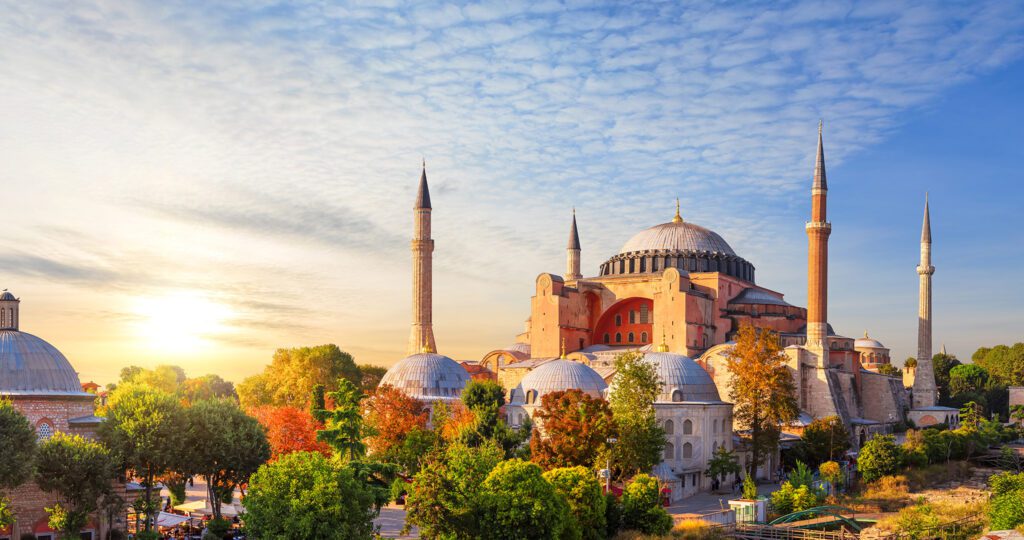
Telafisi Olmayan Başarısızlık: Modern Ulus-Devletin Ümmet Birliğini Geçersiz Kılan Bir Unsur Olarak Rolü
Seküler Entegrasyon Modelleri ve Küresel Yönetim Şemaları: Ümmet Entegrasyonu İçin Dersler
Our studies of society and civilization combine theory with practice by examining the myriad opportunities and obstacles to unity among Islamic lands.
This discipline focuses on how the solidarity of the Ummah shapes and can shape Muslim life, as well as how the Ummah is conceptualized and how it affects the lives of Muslims. The concepts and strategies of social transformation are examined through classical and contemporary Islamic thinkers who think about historical, cultural and social change, as well as modern social theories such as future studies, cultural studies and systems thinking. Our aim is to comprehensively examine the problems faced by Muslims in societies where they live as a majority or a minority, at different levels.
- What are the global social, cultural and civilizational trends that Muslim thinkers and society transformers should be aware of?
- What are the social problems that each Muslim state faces in the short and long term?
- What can we learn from influential non-Muslim thinkers and social movements in the recent past and today?
- How can we establish networks that will support the new generation of Muslim academics, activists, entrepreneurs and opinion leaders who think with the consciousness of the Ummah, and how can we sustain and develop these networks?
- As part of the Ummah in our countries, what are the most effective ways to act together to solve social and civilizational problems?
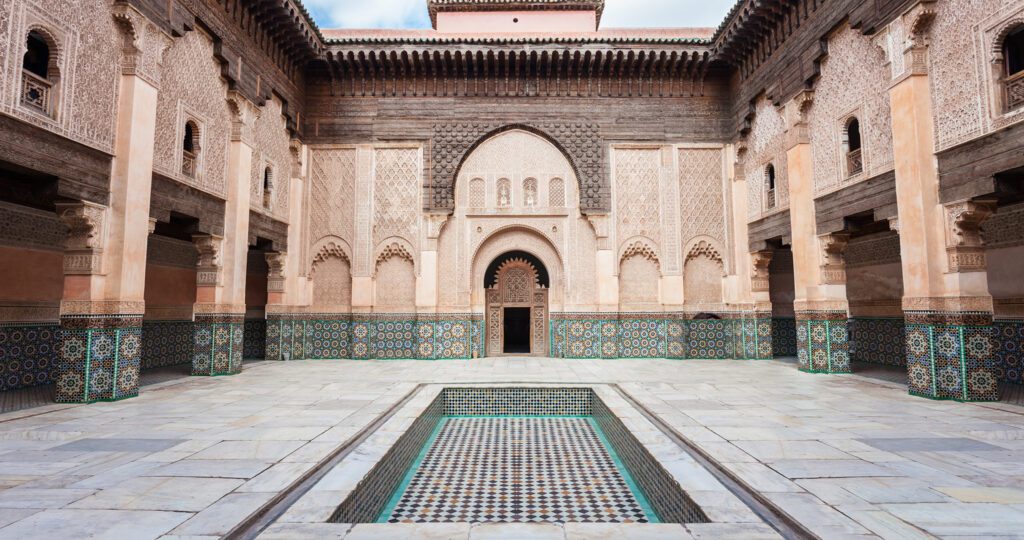
The study of Islamic norms examines issues and problems related to the Islamic tradition and evaluates them in line with the example of the Quran and the Prophet.
This field deals with various topics related to the usul al-fiqh, usul al-din and fiqh, and focuses on elements that are important for the thought and practice of the Ummah. These studies are carried out mainly through traditional Islamic sciences, but also with valuable contributions from the academy in the field of Islamic and religious sciences.
The Ummetiks Institute is committed to the Islamic normative tradition based on the Quran and the Prophetic example. Therefore, in its work, it prioritizes the study of Islamic norms and discourse in this area. Sharia norms shape and guide the social and political goals of the Ummah.
Some of these norms are clear and agreed upon fundamental principles. However, many norms are open to disagreement and scholarly evaluation, discussion and negotiation. As an institute, we aim to support and advance such discussions and discourses.
Accordion Content
- Determining and detailing the religious foundations of Ummah Studies
- What is the difference between conclusive and presumptive evidence? How is this difference determined, and what is the methodological scope of valid disagreements about presumptive evidence?
- Addressing Sharia norms in specific areas such as political, economic and social models and transformations
- The sharia maqasid al-shariah (maqasid) and modern realities in determining applicable Sharia principles in relevant areas?